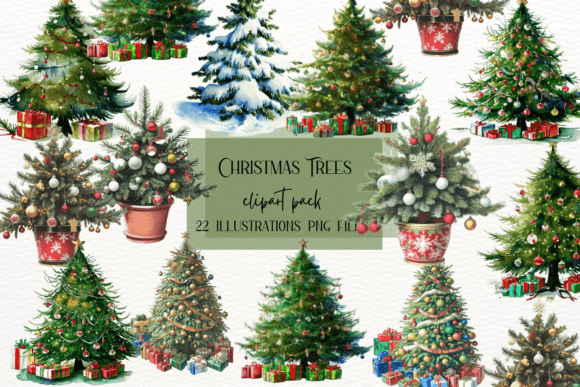
Watercolor Christmas Tree Illustrations Review
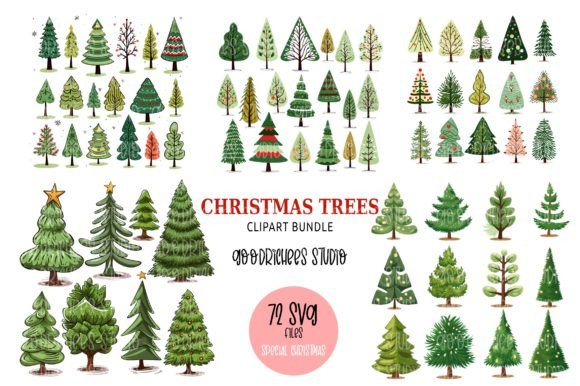
As a digital publisher who has spent over a decade refining the visual identity of content-heavy websites, I have learned that the difference between a bounce and a conversion often comes down to aesthetics. When I first opened the Watercolor Collection of Christmas Trees, my immediate reaction was one of relief. In a market saturated with flat, vector-based clip art that feels sterile and corporate, this set offers something increasingly rare in the creative marketplace: authentic artistic texture. The soft bleed of the pigments and the organic irregularity of the brushstrokes create an editorial mood that is both nostalgic and sophisticated. It feels distinctly lifestyle-focused, leaning into a warm, feminine, and artistic aesthetic that resonates deeply with modern home decor, parenting, and wellness niches.
Elevating Editorial Design with Organic Textures
For bloggers and website owners, consistency is the backbone of brand identity. However, consistency does not mean repetition. This collection serves as a versatile graphic design asset that can anchor your seasonal content without making your site look like a template factory. The watercolor style inherently supports a softer visual hierarchy. Unlike bold, high-contrast graphics that demand immediate attention, these trees invite the eye to linger. This is crucial for editorial design, where you want readers to feel comfortable and engaged rather than assaulted by aggressive marketing visuals.
I tested these assets across several real-world publishing scenarios. For a recent holiday gift guide, I used one of the larger tree illustrations as a subtle background element behind the headline. The result was a website header that felt curated and expensive. The transparency of the watercolor allowed the text to remain legible while adding depth to the layout. This is a key advantage of using high-quality Illustrations over standard stock photography; you have complete control over how the image interacts with your typography and white space.
Practical Applications for Content Creators
The versatility of this digital download extends far beyond simple blog post decoration. As a designer, I look for assets that can work hard across multiple channels. Here is how I integrated this collection into a comprehensive content strategy:
- Pinterest Graphics: Pinterest is a visual search engine where vertical imagery thrives. The tall, natural shape of the Christmas trees makes them ideal for Pinterest pin designs. I layered the trees over solid pastel backgrounds with bold sans-serif headlines, creating pins that stood out in a crowded feed due to their artistic merit.
- Newsletter Headers: Email marketing requires visuals that load quickly but still convey brand personality. These images, when properly compressed, add a festive touch to newsletter banners without feeling cluttered. They signal to subscribers that the content inside is seasonal and special.
- Digital Products and Lead Magnets: If you are creating a digital guide, eBook, or printable design for a lead magnet, these trees provide an instant professional polish. I used them on the cover of a holiday planning worksheet, which significantly increased the perceived value of the freebie. It transformed a simple PDF into a desirable resource.
- Social Media Graphics: For Instagram and Facebook, the collection works beautifully as a frame or corner accent. It allows you to highlight product shots or quotes while maintaining a cohesive aesthetic.
Impact on Click-Through Rates and Reader Trust
Why does this matter for your bottom line? In affiliate marketing and content marketing, trust is currency. Sloppy or generic visuals can subconsciously signal low-quality content to your readers. By using a refined Watercolor Collection of Christmas Trees, you signal attention to detail. This builds reader trust, which translates to higher click-through rates on affiliate links and better engagement with your core content.
Furthermore, strong visual identity aids in category recognition. If you use these trees consistently across all your holiday-themed posts, readers begin to associate that specific artistic style with your brand. Over time, this creates a mental shortcut for your audience, making your content instantly recognizable in social feeds and search results. It is a subtle but powerful form of small business branding that separates amateur blogs from professional publications.
Where to Use Caution in Web Design
While I highly recommend this asset, it is not a one-size-fits-all solution. As an experienced designer, I must advise caution in certain contexts. Watercolor textures, by nature, can be busy. Using these trees on small mobile thumbnails may result in a loss of detail, where the image appears as a muddy blob rather than a distinct tree. Always test your graphics on actual devices to ensure clarity.
Additionally, avoid placing these illustrations over low-contrast backgrounds or busy patterns. The delicate edges of the watercolor need clean, ample white space or solid colors to breathe. If you are working in a serious professional niche, such as legal or financial advice, the playful and artistic nature of these trees might undermine the authority of your message. Similarly, for websites that adhere to a strict, minimal visual system, these decorative elements might feel out of place unless used very sparingly as accents.
Technical Notes for Publishers
Before deploying any new design assets, there are technical checks every publisher must perform. First, review the file size. High-resolution watercolor files can be heavy. You must compress images properly for web performance to ensure your page load speeds do not suffer. Slow sites kill conversions.
Second, test typography pairings. I found that these trees pair exceptionally well with serif fonts for a classic, editorial look, and with handwritten fonts for a personal, blogger-style vibe. However, they can clash with overly geometric display fonts. Experiment with placement to find the right balance. Finally, always confirm the commercial license terms. If you are using these on monetized websites, affiliate pages, or in paid content products like a Canva template or digital course, ensure your license covers commercial use. Most reputable creative marketplaces provide this, but it is your responsibility to verify.
In conclusion, the Watercolor Collection of Christmas Trees is more than just a set of images; it is a tool for elevating your digital presence. Whether you are designing a lead magnet, sprucing up a blog graphic, or crafting a social media campaign, these illustrations offer the artistic credibility that modern audiences crave. By integrating them thoughtfully into your workflow, you can create content that is not only visually stunning but also strategically effective.