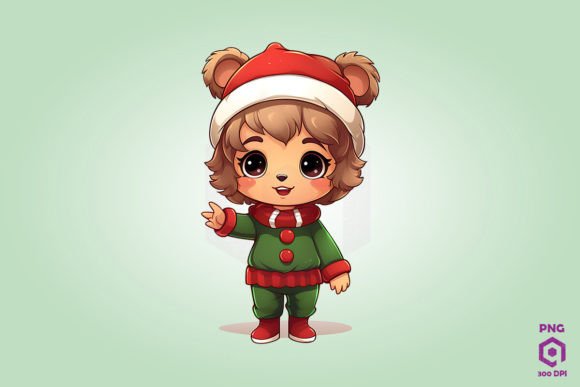
Reviewing Cute Chibi Christmas Leo Clipart for Embroidery
As a designer who has spent countless hours digitizing and stitching out holiday motifs, I approach every new machine embroidery design with a mix of excitement and skepticism. The market is flooded with seasonal graphics, but few translate well from screen to fabric. Recently, I evaluated the Cute Chibi Christmas Leo Clipart to determine its viability for real-world production. This isn’t just about whether it looks cute on a monitor; it is about how it behaves under the needle, how it holds up after washing, and whether it adds genuine value to a handmade product.
First Impressions: Mood and Visual Personality
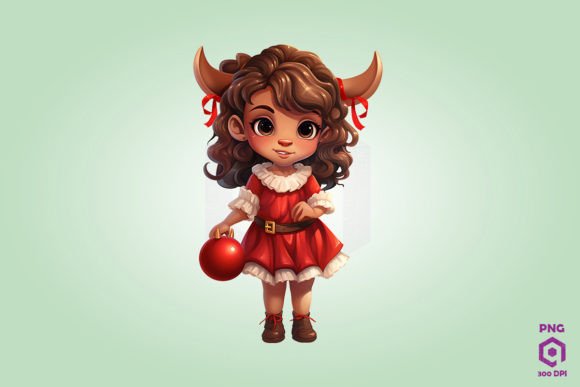
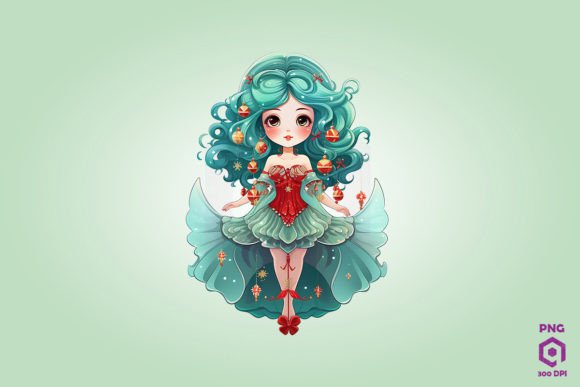
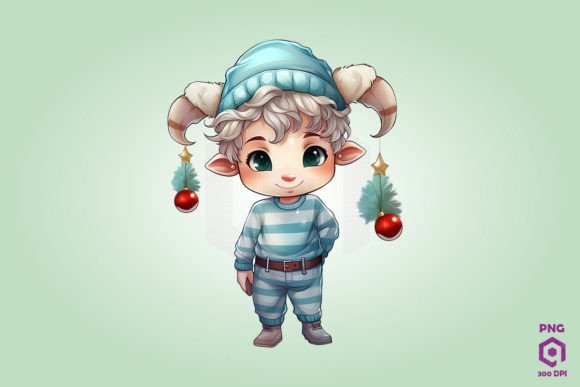
The first thing that strikes you about the Cute Chibi Christmas Leo Clipart is its approachable charm. The chibi style, characterized by exaggerated heads and simplified features, naturally lends itself to embroidery because it reduces the need for microscopic detail. In the context of Illustrations, this design balances whimsy with clarity. The layout feels balanced, avoiding the clutter that often plagues holiday designs. For an embroidery project, this simplicity is a strength. It suggests a mood of warmth and nostalgia, perfect for items meant to evoke comfort.
When I visualized this design on various substrates, it immediately felt at home on soft, textured fabrics. The rounded shapes of the chibi character would likely stitch out cleanly using a combination of satin stitch for borders and fill stitch for larger color blocks. There is no excessive intricacy that would cause thread breaks or bird’s nests, which is a common issue with overly complex digital art converted into an embroidery file.
Real-World Application: From Concept to Finished Product
To truly test the potential of this design, I imagined a specific client scenario. A local boutique owner wanted a line of limited-edition holiday gifts for children. She needed something that looked professional yet playful. The Cute Chibi Christmas Leo Clipart fit this brief perfectly. I envisioned it stitched onto a cream-colored cotton tote bag design or a soft fleece sweatshirt embroidery project.
In these applications, the design’s scale is crucial. On a tote bag, placed centrally, it becomes a statement piece. The bold lines ensure visibility from a distance, which is essential for retail displays. For baby embroidery, such as a onesie or a burp cloth, the soft curves of the chibi style are ideal. They avoid sharp points that might irritate sensitive skin, provided the backing is trimmed correctly. This versatility makes it a strong candidate for custom apparel lines where consistency across different garment types is key.
Furthermore, for Etsy seller accounts and small shop product listings, visual appeal drives clicks. This design works exceptionally well in printable mockup presentations. Because the shapes are distinct, they render clearly in digital previews, helping customers visualize the finished product before purchasing. This clarity builds trust and reduces return rates due to mismatched expectations.
Technical Considerations and Stitching Performance
While the aesthetic is promising, the technical execution requires careful planning. When working with any digital embroidery file, understanding stitch density is paramount. The Cute Chibi Christmas Leo Clipart appears to have moderate density, but this must be verified. If the fill stitch areas are too dense, the fabric may pucker, especially on lighter materials like cotton voile or thin jersey knits.
I recommend testing the design on scrap fabric identical to your final material. Pay close attention to the transition between color blocks. In chibi designs, these transitions are frequent. Using a proper stabilizer is non-negotiable here. A cut-away stabilizer is often best for garments that will undergo frequent washing, ensuring the design remains stable and does not distort over time. For caps or curved surfaces, the hoop size and placement become critical. The design should be centered carefully to avoid distortion around the seam of a cap.
Thread choice also plays a significant role. The vibrant nature of Christmas themes calls for high-quality rayon or polyester threads. However, if you are stitching on dark fabric, you must ensure the underlying layers do not show through. A layer of topping can help keep stitches upright on textured fabrics like towels or fleece, maintaining the crispness of the running stitch outlines if present.
Where to Use Caution
Not every project is suitable for this design. While it is versatile, there are limitations. Avoid using it on extremely stretchy fabrics without adequate stabilization, as the chibi proportions could warp. Additionally, if the design includes tiny text or intricate facial details, these may get lost in smaller hoop sizes. Always check the minimum recommended hoop size provided with the design assets.
For embroidered patch creation, the design works well, but edge finishing is key. Ensure the satin stitch border is wide enough to cover the raw edges of the patch material. On thin fabrics, such as silk or lightweight linen, the density of the design might be too heavy, causing the garment to hang unevenly. In such cases, consider scaling down the design or using a lighter weight thread.
Enhancing Brand Value and Customer Engagement
From a business perspective, the Cute Chibi Christmas Leo Clipart offers more than just decoration. It contributes to brand consistency. If your craft business focuses on whimsical, family-friendly items, this design reinforces that identity. High-quality embroidery signals professionalism. When customers receive a personalized gift featuring clean, well-stitched artwork, their perception of value increases. This leads to positive reviews and repeat business, which are vital for any commercial embroidery venture.
The design also supports holiday embroidery collections. By incorporating this clipart into a series of products—such as matching sibling shirts or parent-child sets—you create a cohesive product line. This strategy encourages larger basket sizes and enhances the overall shopping experience. For digital product sellers, offering this as part of a bundle can increase perceived value, provided the licensing allows for such distribution.
Practical Designer Notes for Best Results
- Test Before Production: Always stitch a sample on your actual fabric. Check for puckering, thread breaks, and color accuracy.
- Check Licensing: Confirm whether the embroidery file license permits commercial use. Never assume; always read the terms before selling finished items.
- Contrast Matters: Ensure your thread colors contrast sufficiently with the fabric. Test on both light and dark backgrounds to verify visibility.
- Stabilizer Selection: Match your stabilizer to the fabric weight. Use cut-away for knits and tear-away for woven fabrics that do not stretch.
- Detail Inspection: Zoom in on the design file to check for unnecessary jump stitches or overly dense areas that may need editing in your software.
- Hoop Size Verification: Confirm the design fits within your machine’s hoop capabilities without requiring re-hooping, which can lead to alignment issues.
In conclusion, the Cute Chibi Christmas Leo Clipart is a strong contender for holiday projects. Its simplified forms and cheerful aesthetic make it adaptable for various handmade product categories. By paying attention to technical details like stabilizer choice, thread tension, and fabric compatibility, designers can transform this digital asset into a high-quality physical product. Whether for a small Etsy shop or a larger boutique, this design offers the potential for meaningful customer engagement and professional results.