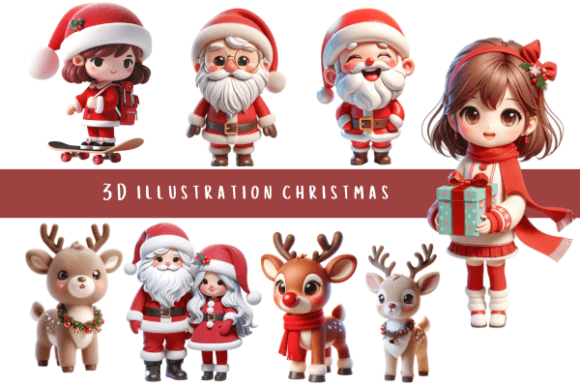
3D Illustration Christmas: A Designer’s Review
As a graphic designer who has spent over a decade refining brand identities and crafting marketing visuals for small businesses, I approach every new graphic design asset with a critical eye. It is not just about whether an image looks pretty; it is about whether it functions within the complex ecosystem of a real client project. Recently, I had the opportunity to integrate 3D Illustration Christmas into a seasonal campaign for a boutique handmade goods brand. The goal was to elevate their holiday presence without falling into the trap of generic, flat clipart that saturates the market. Here is my practical assessment of how this asset performs in professional creative design workflows.
First Impressions: Depth, Mood, and Modern Appeal
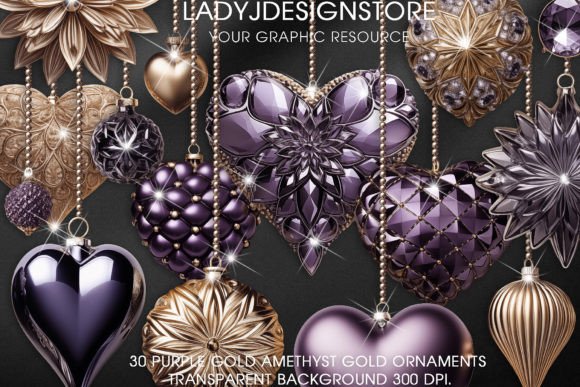
The immediate standout feature of 3D Illustration Christmas is its tactile quality. Unlike traditional vector art or hand-drawn sketches, these illustrations possess a rendered depth that mimics physical objects. For a client aiming for a modern design aesthetic, this is crucial. The lighting, shadows, and textures create a sense of warmth and nostalgia while maintaining a clean, contemporary edge. This duality makes it exceptionally versatile. It does not scream "cheap holiday sale"; instead, it whispers "curated seasonal experience."
When I first loaded the files into my workspace, I noted the high resolution and clean edges. For designers working on packaging design or high-end product mockups, this level of detail is non-negotiable. The asset feels substantial, offering a visual weight that anchors a layout rather than floating aimlessly. It creates an emotional connection through its realism, which is vital for small business branding where trust and authenticity are key selling points.
Real-World Application in Client Projects
In the context of my recent project, the client needed assets for a multi-channel holiday push. We utilized 3D Illustration Christmas across several mediums, and the results were telling. For social media graphics, particularly Instagram posts and Pinterest pins, the three-dimensional aspect stopped the scroll. In a feed dominated by flat PNG design elements, the depth of these illustrations commanded attention. They worked beautifully as hero graphics, drawing the eye immediately to the central message.
We also applied the asset to printable design products, including holiday cards and gift tags. Here, the clarity of the render held up well against various paper textures. For Etsy product listings, using these images in Canva template layouts allowed the seller to create cohesive, professional-looking previews that elevated the perceived value of their digital downloads. Whether used for sticker design or as a focal point on a t-shirt design, the asset maintained its integrity. The vibrant colors and defined shapes translated effectively from screen to print, a common pain point with lower-quality clipart.
Where This Asset Shines
- Hero Graphics: Ideal for website headers and email newsletter banners where visual impact is paramount.
- Packaging Details: Adds a premium feel to box labels and wrapping paper designs.
- Themed Collections: Perfect for creating cohesive sets of marketing visuals for seasonal campaigns.
- Product Mockups: Enhances the realism of digital mockups for print-on-demand items like mugs and tote bags.
- Social Media Content: Provides engaging visuals for stories and posts that require high aesthetic appeal.
Navigating Limitations and Design Constraints
While 3D Illustration Christmas is a powerful tool, it is not a universal fix. Experienced designers know that every asset has its boundaries. I found that these illustrations require careful handling in crowded layouts. Because they are visually dense and detailed, placing them against busy backgrounds can destroy visual hierarchy. They demand breathing room. If you clutter the surrounding space with too much text or competing graphical elements, the impact is lost, and the design feels chaotic.
Furthermore, this style may not suit every brand identity. For corporate clients requiring strict minimalism or those in highly regulated industries like finance or healthcare, the playful, rendered nature of Illustrations might feel too informal. It is essential to assess brand consistency before deployment. Additionally, when scaling down for very small applications, such as favicon sizes or tiny footer icons, the intricate details can become muddy. In these cases, a simpler SVG design or icon set might be more appropriate.
Areas for Caution
- Small Sizes: Avoid using in contexts where the image is smaller than 100 pixels wide, as detail loss occurs.
- Low-Contrast Backgrounds: Ensure sufficient contrast between the illustration and the background to maintain visibility.
- Minimalist Branding: May clash with ultra-clean, sans-serif heavy corporate identities.
- Complex Layouts: Do not overlay with heavy text blocks; use negative space to let the asset breathe.
Technical Considerations for Professional Use
Before handing off any final files to a client or sending them to print, I run a series of technical checks. With 3D Illustration Christmas, verifying the file formats is step one. If you are working on a Cricut project or need scalable vectors for large format printing, ensure you have access to vector files. However, most 3D renders are delivered as high-resolution PNG design files with transparent backgrounds. I always inspect the transparency edges to ensure there is no white halo, which can look unprofessional on dark backgrounds.
Typography pairing is another critical factor. These illustrations pair exceptionally well with bold display font styles that match their weight and modernity. Alternatively, a clean sans serif font provides a nice contrast, allowing the illustration to remain the star. I generally avoid delicate script font or overly ornate serif font choices unless the brand voice is specifically vintage or romantic, as they can compete with the modern rendering of the 3D art.
Finally, always confirm the commercial license. Whether you are a digital seller creating a design bundle for the creative marketplace or a freelancer designing for a local event, understanding usage rights is paramount. Ensure the license covers sublimation design, web design, and physical product creation if those are part of your deliverables. This due diligence protects both you and your client from legal issues down the line.
Final Verdict: A Valuable Addition to Your Toolkit
In conclusion, 3D Illustration Christmas is a robust digital product that offers significant value for designers working on seasonal projects. It bridges the gap between playful holiday cheer and professional polish. When used strategically, it enhances brand identity, improves audience engagement, and adds a layer of sophistication to editorial design and marketing visuals. While it requires thoughtful placement regarding contrast and layout density, its versatility across printable wall art, packaging design, and digital ads makes it a worthwhile investment for any serious creative professional. By respecting its visual weight and leveraging its modern aesthetic, you can create compelling, high-converting designs that stand out in a crowded holiday market.